Is Your Senior Pet Slowing Down — Or Suffering? How to Tell the Difference

As our pets age, it's tempting to chalk up changes in behavior or movement to simply "getting older."
They're less enthusiastic about walks. They take longer to get up in the morning. They don't play the way they used to.
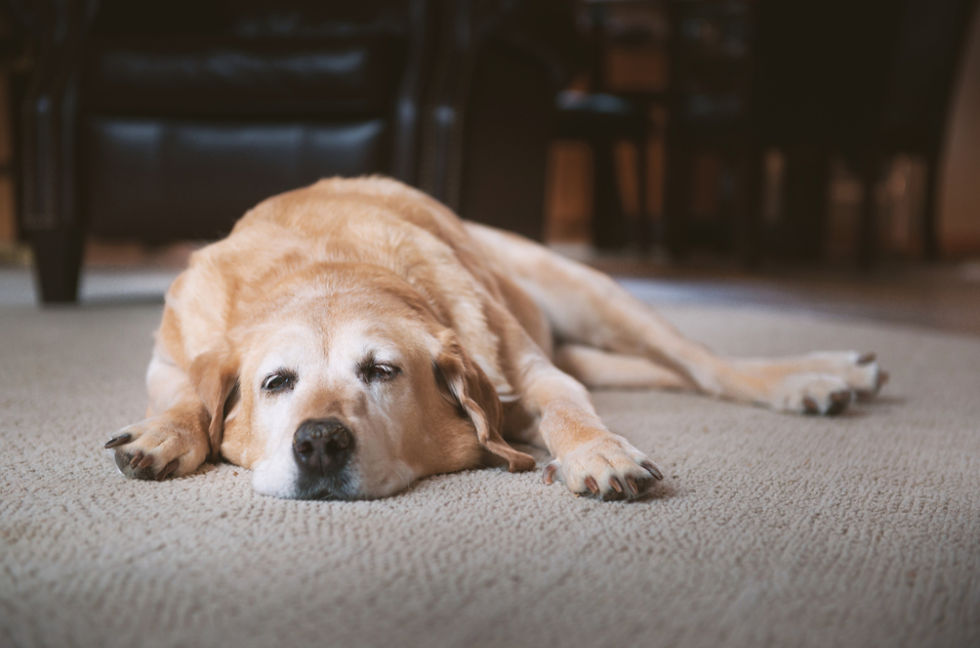
At Aloha Veterinary Acupuncture, we hear this regularly from pet owners, and our response is always the same: slowing down is not a normal, inevitable part of aging. In many cases, it's a sign of undertreated pain.
The Problem With "Just Getting Old"
The assumption that senior pets are simply winding down is one of the most common, and consequential misconceptions in pet care.
According to the World Small Animal Veterinary Association's pain management guidelines, chronic pain is frequently mistaken for normal aging, and as a result, goes undiagnosed and untreated.
Research published in the Veterinary Record estimates that chronic pain affects 20–37% of dogs, with osteoarthritis as the leading cause, and that figure is likely an undercount, since pets are well known to mask discomfort as a protective instinct.

This matters because chronic pain in pets is not just a matter of comfort. It affects mobility, appetite, sleep, mood, and overall quality of life. And unlike humans, your pet cannot tell you where it hurts.
The challenge is compounded by the fact that many pets will continue to greet you at the door, eat their meals, and go through the motions of daily life even as they experience significant discomfort. Pain in animals is easy to underestimate precisely because they are so good at hiding it.
Signs That May Indicate Pain, Not Just Age
The behavioral and physical changes associated with chronic pain can be subtle and develop gradually, which is why they're so often missed.
If your senior pet is experiencing any of the following, it's worth a conversation with your veterinarian:
Hesitation before jumping onto furniture, into the car, or up stairs — or stopping altogether
Stiffness that's most noticeable first thing in the morning or after resting
A shorter, altered stride or changes in posture
Reluctance to be touched in certain areas
Increased irritability, withdrawal, or uncharacteristic aggression
Reduced interest in play, walks, or activities they previously enjoyed
Changes in sleep patterns, appetite, or overall demeanor
Excessive licking or grooming of a specific area

Many of these signs are easy to dismiss as personality changes or the natural effects of age. But in a significant number of cases, they reflect an animal in real, ongoing discomfort.
It's also worth noting that you don't need to see all of these signs. Even one or two that are new, persistent, or gradually worsening deserve attention.
These signs are worth tracking over time, since brief or isolated changes are harder to assess than patterns. If you've noticed a gradual shift over weeks or months, that observation is valuable clinical information to bring to your veterinarian.
Why Early Intervention Matters
The earlier chronic pain is identified and addressed, the better the outcome for your pet. Pain that goes unmanaged doesn't just cause suffering. It can accelerate joint degeneration, lead to muscle loss from reduced activity, and create behavioral changes that become increasingly difficult to manage over time.
A thorough veterinary evaluation can help determine whether what you're seeing is truly age-related or whether there is an underlying condition (most commonly osteoarthritis, intervertebral disc disease, or soft tissue injuries) that can be actively treated and managed.
Many of these conditions respond well to a multimodal approach, meaning a combination of therapies tends to produce better outcomes than any single treatment alone.
How Integrative Care Fits In
For pets already receiving conventional treatment for chronic pain, acupuncture can serve as a meaningful addition to their care plan.
Evidence supports its role in reducing pain and inflammation, improving mobility, and supporting nervous system function, all of which are relevant to the most common causes of chronic pain in senior pets.

At Aloha Veterinary Acupuncture, our mobile service is designed to reduce the stress of travel for older or mobility-impaired animals, bringing care directly to them in the comfort of their home environment. We work alongside your primary veterinarian, not in place of them, to help your pet feel and move better.
When to Reach Out
If you've been watching your senior pet and wondering whether what you're seeing is normal, trust that instinct. You know your animal better than anyone, and changes that seem subtle to others may be meaningful signals to you.
Contact us to discuss your pet's specific situation. We're happy to talk through what you're observing and help determine whether an evaluation or integrative support may be beneficial.

Your pet's later years can still be comfortable, active, and full, and getting there often starts with asking the right question.


Comments